Bodily Fluid Cleanup
Homes, care environments and businesses receive bodily fluid cleanup and disinfection.
See bodily fluid cleanupGet blood, bodily fluids, human waste, sharps and contaminated materials removed from a jail, holding cell, booking room or detention area in Druid Hills after authorized staff release the space.
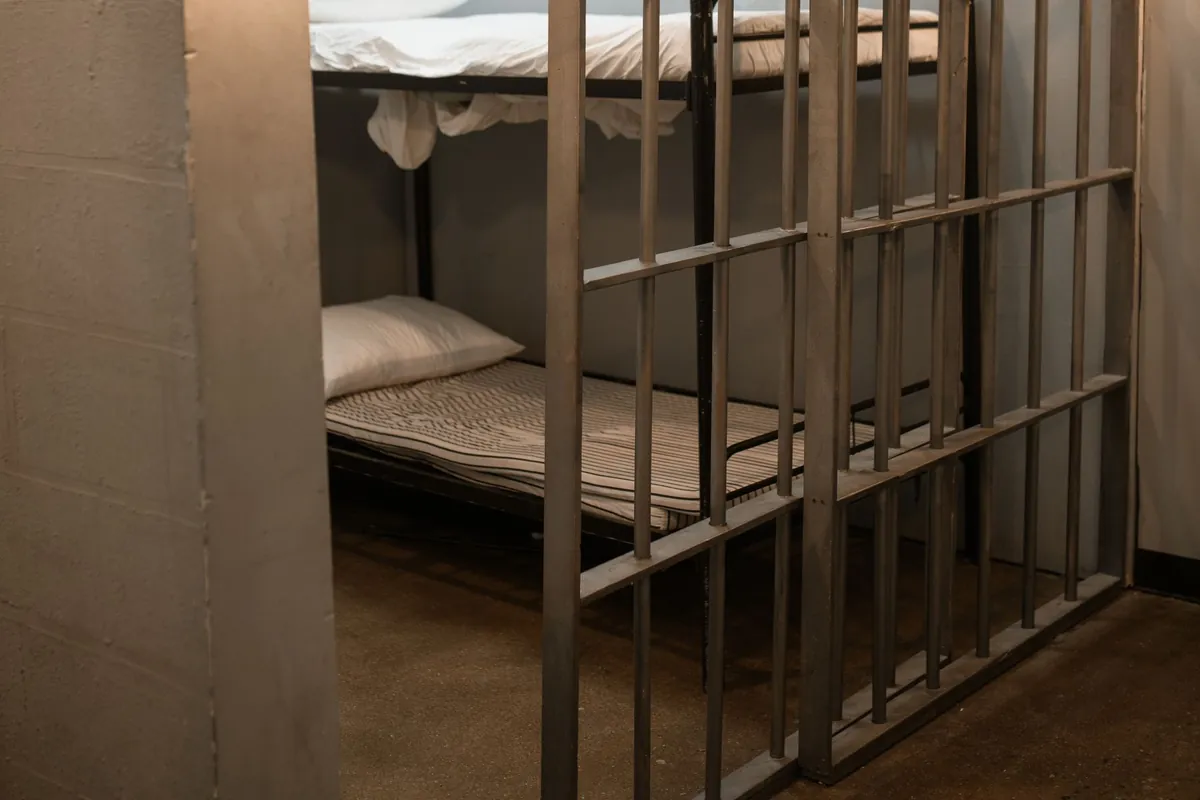
Cleaning a jail or holding cell is a controlled process that clears bodily fluids, blood, sharps, human waste and other contaminated items from booking areas, cells, related secure rooms and interview spaces before the area is cleaned, disinfected and treated for odor.
Before cleaning starts, the facility confirms that the affected space has been released from any active investigation. Keys, occupant movement and entry remain controlled by correctional staff. The technician's scope includes both the original area and nearby surfaces that shoes, fluid or equipment may have contaminated.
The remediation process is different from routine janitorial cleaning. Cleanup technicians use protective equipment, separate clean and contaminated zones, remove materials that cannot be disinfected and apply an EPA-registered disinfectant for the full contact time on its label. Hazardous waste and sharps are packaged for the correct waste stream under applicable rules.
Every situation may involve its own entry points, staff escort rules, limited hours and controls on movement. With those requirements documented, your facility can build security needs into the work plan.
Property owners, facility records and insurance companies may be supported by scope documentation, available waste paperwork and allowed photos.
Evidence and belongings held as personal property remain undisturbed until your designated contact instructs otherwise.
Before reopening the affected area, you get a defined scope covering included cleaning services such as material removal, disinfection, waste disposal and odor treatment.
Professional cleanup is needed when contamination goes beyond an ordinary custodial spill or reaches porous materials. Common situations include:
Blood after an injury, altercation or medical event can reach bunks, walls, floor joints and hardware. Both visible contamination and possible transfer routes nearby must be assessed.
Do not collect loose needles, makeshift sharps or contaminated pieces by hand or put them with regular garbage.
Bodily fluids such as urine and vomit can move over drains, benches, floors and high-touch areas within a small room.
Biohazard remediation in an interview room, booking area or cell may proceed after evidence collection is finished and authorized staff release the space.
Your first steps protect staff, preserve evidence and keep contamination from spreading. Before the cleanup technicians enter:
Call (888) 440-9227Jail-specific cleanup pricing is not available in credible published guides. General biohazard cleanup comparisons put the residential average between $1,800 and $4,500 for residences. They show $3,000 to $5,000 as a typical national range. The guidance places most residential projects within the $2,500 to $8,000 range and shows a full span from $1,500 to $25,000 overall. These amounts do not set a jail cell price. Facility pricing follows an assessment of the scope.
Published national cost guides are the source for these ranges, rather than an inspection of your property. You learn what your property will cost after the on-site assessment and before any work begins.
Ask about cost: (888) 440-9227The facility or the public or private entity responsible for its operation usually arranges payment. The exact path depends on the property, contract, incident and insurance terms.
Retain the approved scope, incident number, permitted completion photographs and waste documentation. If insurance assistance is needed, ask the insurance company what records it can receive without revealing restricted details.
A county, municipality, private operator or building owner may have different duties. Payment authority depends on the relevant contract together with facility policy.
The facility should notify the insurance company, retain its claim number and ask which scope notes, photographs and waste records are needed if coverage may apply.
The administrator or purchasing contact can identify the approved work order, purchase order or emergency procurement path for the location.
Cleanup planning accounts for both security inside the facility and the contamination present. A clear work record should be maintained at every step, with clean spaces kept apart from the affected area.
Technicians and the facility representative inspect the cleared space, locate visible contamination and examine likely spread paths without interfering with possible evidence.
The work boundary is marked inside the secure area. Protective equipment is selected for the surfaces, bodily fluids and sharps technicians encounter.
Technicians place each needle or sharp straight into an approved container that resists punctures. Technicians collect contaminated debris without pushing the bag contents down by hand.
When contamination soaks into unfinished wood, bedding, damaged walls or other absorbent materials, removal is needed if they cannot be completely disinfected. Any necessary restoration services or repairs receive a separate scope once biohazard cleaning is complete.
Cleaning begins by taking soil off non-porous surfaces. An EPA-registered disinfectant is then applied and left wet for the full label contact time.
Once the source has been removed, an assessment may support using air treatment equipment such as hydroxyl generators or HEPA air scrubbers.
Closed and labeled waste containers follow the required route for disposal. Available paperwork may be stored as part of the facility incident record.
All affected areas receive a final check for anything left behind, including soil, overlooked surfaces and cleaning residue. The room can return to service after the facility contact confirms completion of the scope.
Call any hour. You speak with a jail and holding cell cleanup specialist who outlines the process and schedules a start time with you.
Hidden sharps, bodily fluids, blood and human waste may put occupants, correctional staff and the person cleaning the space at serious health risk.
A small secure room can hold strong odor, especially when waste reaches bedding, grout, floor joints or drains. Take away the source before beginning any air treatment.
Floor seams, spaces under fixed bunks and areas behind fixtures can collect fluid. Footwear, restraints or carts can also carry it into surrounding areas that look clean.
Sharp fragments, needles or blades may cause injury and can penetrate waste bags. Those items require a puncture-resistant sharps container and an appropriate waste disposal route. Unknown hazardous materials should remain undisturbed while the facility confirms which safety procedure applies.
Can you clean it yourself? Facility procedure determines who may clean a small spill. Minimum safety needs are suitable protective gear, enough wet contact time, and an EPA-registered disinfectant. Call for professional cleanup when contamination is widespread, hidden, mixed with sharps or absorbed into porous material.
Hard surfaces without pores may often remain after they are cleaned and disinfected. Materials with pores must be removed if absorbed fluid lies beyond the reach of cleaning.
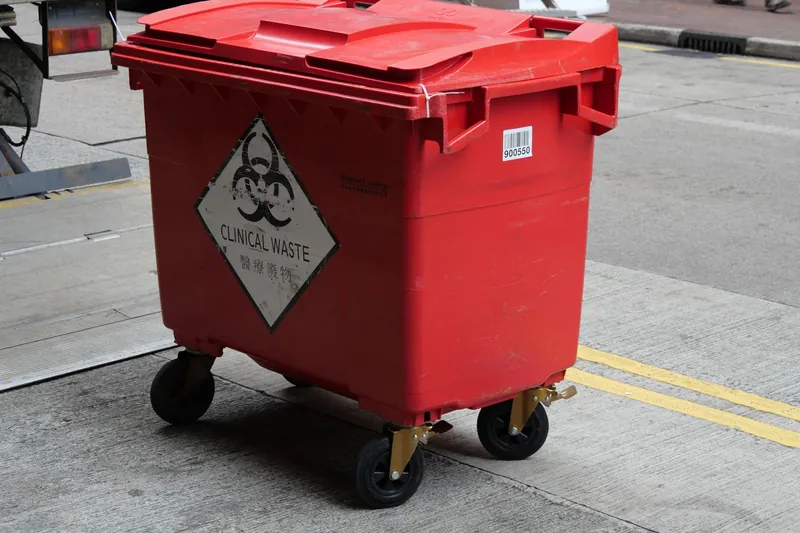
The OSHA Bloodborne Pathogens Standard, 29 CFR 1910.1030, sets requirements for training, protective equipment and work practices when employees can be exposed to blood.
The product should have EPA registration for the target organism, and it must stay wet for all of the contact time stated on the label.
Georgia treats soaked materials from a biohazard scene as biomedical waste. Georgia Environmental Protection Division solid waste rules control how it is handled, transported and treated, so it cannot go in household trash.
Georgia uses a mixed system. Elected county coroners lead local death investigations, and the state Medical Examiner or Coroner's Office within the Georgia Bureau of Investigation performs forensic autopsies. Cleanup starts after police or the medical examiner or coroner release the scene. Confirmation that evidence work is complete should also come from authorized facility staff before cleaning begins.
How long the work takes depends on security access, waste volume, affected materials, the number of spaces and whether odor treatment is necessary. A work window can be set by the cleanup team after assessing the area that was released.
The full jail and holding cell cleanup guide covers what is cleaned or removed, odor and air quality work, and the rules that apply in Georgia.
Read the full jail and holding cell cleanup guideLocal housing, population and access details can shape containment, access and cleanup planning.
At 42.4% renter occupancy, cleanup needs vary between leased units and owner occupied homes, especially around authorization for demolition.
The 1962 median year matters during odor work because cabinets, wall cavities, and floor layers can hold the source.
A 20.3% share living alone still matters because delayed discovery can increase odor movement and the amount of affected material.
Housing at 58.1% single-family occupancy calls for flexible cleanup planning rather than assumptions based on one building type.
Ask on the call about cleanup options for neighboring communities and ZIP codes.
Homes, care environments and businesses receive bodily fluid cleanup and disinfection.
See bodily fluid cleanup
Walls, carpets, furnishings and hard floors receive blood cleanup, with safe disposal afterward.
See blood cleanup
Rentals, residences and public bathrooms receive human feces cleanup and disinfection.
See human feces cleanup
Vomit is cleaned and the area disinfected to stop the spread of norovirus and other germs.
See vomit cleanup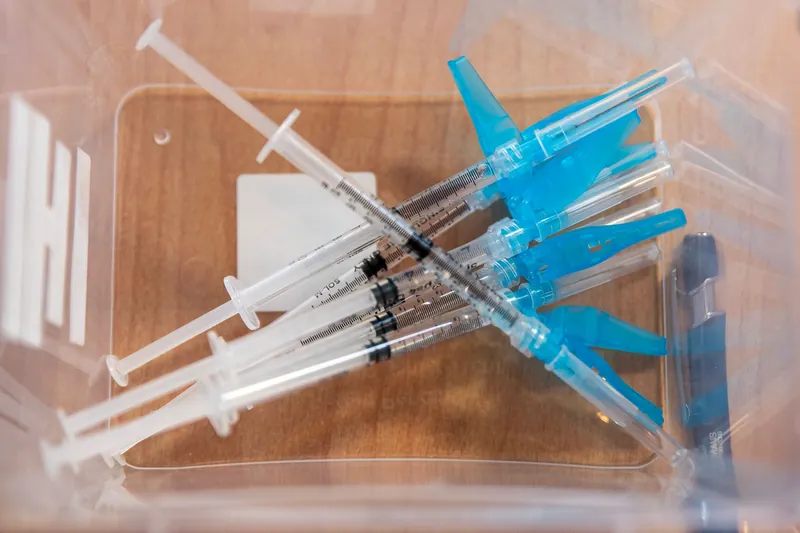
Cleanup removes sharps and needles from parks, rental sites, yards and encampments.
See needle and sharps cleanup
Biohazard waste pickup and disposal in sealed, labeled containers.
See biohazard waste disposal
Planning for industrial and commercial biohazard cleanup considers operations and access to the site.
See commercial and industrial biohazard cleanupCleanup services may involve waste disposal, assessment, containment, collecting sharps, removing contaminated absorbent materials, odor removal, cleaning and disinfection. Required work varies by the hazards found and their spread, including blood, other bodily fluids, human waste or needles reaching seams, fixtures and surrounding controlled spaces.
Cleanup duration can be set after evaluating the area that was released. Cleaning one area with hard surfaces requires different work than several cells affected by odor, sharps, bedding or wall materials. Timing is also shaped by security access, required escorts and how waste can be moved. For a broad cleanup, the scope may be completed in stages while unaffected areas continue operating.
After evidence collection ends, law enforcement or authorized facility staff must release the affected area, whether it is a booking room, cell or another space. Before release, follow facility procedure to preserve the scene, prevent unnecessary entry and leave items where they are. Tell the cleanup team where contamination may have traveled.
Published guides do not list a jail-specific cost range. General biohazard cleanup guides range from $1,800 to $4,500 for a residential average and $3,000 to $5,000 for a typical national range. These numbers are solely for context. Pricing for your project is based on the assessed space, material types, waste, security arrangements and odor treatment.
When contamination remains on its sealed exterior, a non-porous mattress cover without damage may be cleaned. A torn mattress or absorbent material may need removal when fluid soaked inside. Whether the item can remain depends on its construction, current state and access to every contaminated surface for cleaning and disinfection.
Yes, odor work may follow the removal of affected material and any residue that can be seen. The odor source can remain in drains, bedding, joints or damaged surface finishes. Technicians may use suitable air treatment equipment and clean adjacent surfaces after taking away the odor source. The contamination responsible for the odor remains if only fragrance is used.
Crews carry out respectful, discreet jail and holding cell cleanup, arrive in unmarked vehicles and take calls 24 hours a day.